Growing Healthy Tilapia Through Modern Cage Aquaculture
Tilapia production is the foundation of Mabuba AquaFarm’s aquaculture development project.
Located in Busega District along Lake Victoria, Mabuba AquaFarm is establishing a modern fish farming operation designed to produce Nile tilapia using high-quality HDPE floating cage systems.
Our planned production model will focus on appropriate fingerling stocking, balanced feeding, fish health management, water quality monitoring, and controlled harvesting.
By adopting organized production practices, we aim to support healthy fish growth, operational efficiency, and consistent product quality.
We recognize the importance of protecting Lake Victoria, and our approach will emphasize appropriate site management, responsible feed use, environmental monitoring, and compliance with applicable aquaculture requirements.
As the project develops, Mabuba AquaFarm aims to contribute to Tanzania’s growing aquaculture industry by increasing fish production, creating economic opportunities, and strengthening local food supply systems.
Prawn Feeds
We use data-driven insights and smart technology to help farmers monitor soil health.
Hatchery Supply
coming soon
Supply chain support
Tools and expertise to streamline post-harvest logistics, ensuring fresh, high-quality products.
What’s included
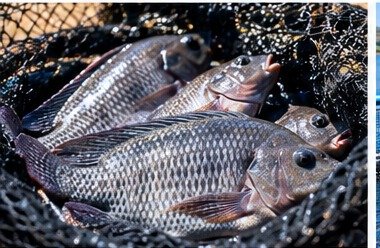
Fingerling Stocking: Sourcing and stocking suitable Nile tilapia fingerlings.
Cage-Based Fish Rearing: Managing tilapia growth within floating HDPE fish cages.
Fish Feeding Management: Developing feeding schedules suitable for different stages of fish growth.
Growth Monitoring: Observing fish development and recording relevant production information.
Fish Health Management: Applying biosecurity, monitoring, and responsible health practices.
Environmental Monitoring: Assessing water conditions and managing potential production impacts.
Harvest Planning: Preparing fish for harvesting according to growth performance and market requirements.
Benefits
Organized Fish Production: Cage farming enables structured stocking, feeding, monitoring, and harvesting activities.
Better Growth Management: Regular monitoring helps inform feeding and fish husbandry decisions.
Potential Production Expansion: Cage systems may support gradual development of production capacity where conditions allow.
Quality-Focused Farming: Controlled husbandry practices can contribute to healthier fish and consistent product quality.
Feed Efficiency: Appropriate feeding programs can reduce unnecessary feed use and operational waste.
Improved Local Food Supply: Expanded tilapia production can contribute to the availability of nutritious freshwater fish.
Employment Potential: Commercial fish farming can create opportunities in production, maintenance, harvesting, and distribution.
Environmental Responsibility: Responsible stocking, feeding, and monitoring help manage risks to Lake Victoria’s aquatic ecosystem.